

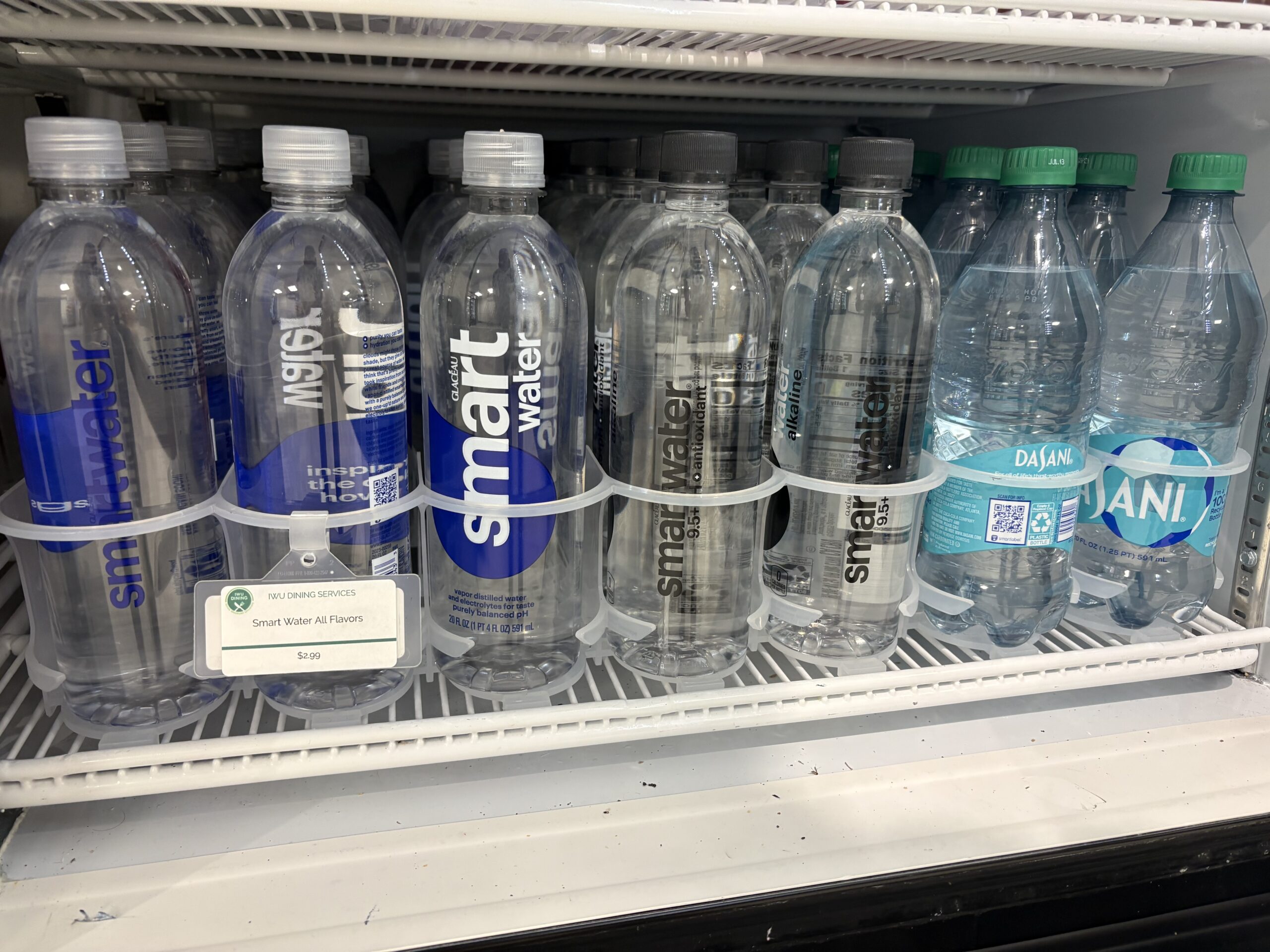
While you were minding your business and braving the crazy weather of March, you may have unconsciously been exposed to one of the most wild elements in the world: dihydrogen monoxide.
Dihydrogen monoxide (DHMO) is an odorless, colorless and tasteless substance that has silently infiltrated our daily lives. Prolonged exposure to DHMO in its solid form can cause tissue damage, and even short contact with its gaseous state can cause severe burns. Every year, thousands of deaths are reported with DHMO found in the deceased.
The substance does not stop at threatening the human body. DHMO contributes to the erosion of natural landscapes, accelerates the rusting and corrosion of metals and has been known to cause failures in electrical systems.
It’s not simple to just avoid DHMO either. The compound is found in abundance. Massive quantities are often held in pools and found in rivers and lakes. DHMO can even be found in the air. The compound is completely legal inside of the United States, despite the efforts of companies like “BAN DHMO,” who have failed to pass legislation to change the legality of DHMO.
For those who have been paying close attention, you may have noticed a pattern. DHMO is everywhere, unavoidable, and remarkably persistent. It is in Titan brew tea, your shower, your ice cubes and even in the clouds above. That is right: DHMO is water.
While DHMO may not be a dangerous chemical in need of regulation, people should still be made aware of the dangers of handling such a reactive compound. Prolonged contact with water should be avoided, otherwise you may suffer from chills. If you believe you have been exposed to water, other symptoms of exposure to DHMO include: excessive sweating, frequent urination, bloating and electrolyte imbalances. Overexposure may lead to water intoxication or drowning.
So, how can one minimize their personal risk? First, exercise extreme caution when handling unfamiliar substances, particularly if they appear wet. You may in fact be handling water. Avoid inhalation, ingestion, or prolonged contact whenever possible, or your thirst will be satiated. Second, take special care near large accumulations, for example, swimming pools, lakes or that puddle in the dorm bathroom. Exposure may lead to slipping and falling. Third, do not panic. Although water can cause many problems, by exercising caution and having some common sense, you will not be in danger.
So the next time you take a sip of water, remember—you are handling one of the most “dangerous” substances on Earth. Treat it responsibly, but do not forget to enjoy it. After all, life without DHMO would be pretty dry.
